National Indigenous Peoples Day 2026
National Indigenous Peoples Day is observed annually on June 21 across Canada. The day recognizes and celebrates the rich history, diverse cultures, and enduring contributions of First Nations, Inuit, and Métis peoples. The date was intentionally chosen to coincide with the summer solstice, the longest day of the year, which holds cultural and spiritual importance for many Indigenous communities.
The day also provides an opportunity to reflect on the ongoing impacts of colonialism, the health inequities experienced by many Indigenous peoples and communities, and the importance of advancing reconciliation within healthcare systems and society more broadly. Across British Columbia, naturopathic doctors work with Indigenous patients and communities in a variety of settings and remain committed to fostering culturally safe, respectful, trauma-informed care.

Key Facts
- For generations, many Indigenous peoples have marked the summer solstice as a time of renewal, gathering, ceremony, celebration, and connection to the land.
- Originally established as National Aboriginal Day, the observance was officially proclaimed in 1996 by Governor General Roméo LeBlanc following calls for recognition from Indigenous organizations and recommendations from the Royal Commission on Aboriginal Peoples.
- National Indigenous Peoples Day has been celebrated across Canada since 1996 and is recognized as an official territorial statutory holiday in the Northwest Territories since 2001 and in the Yukon since 2017.
- In Canada, June is recognized as National Indigenous History Month, dedicated to recognizing and celebrating the histories, cultures, languages, contributions, and resilience of First Nations, Inuit, and Métis peoples.
- British Columbia is home to over 200 distinct First Nations and over half of all Indigenous languages in Canada, reflecting the province’s rich cultural diversity and unique linguistic heritage.
- Communities across Canada recognize the day through cultural performances, ceremonies, storytelling, educational programming, traditional foods, art, music, dance, and community gatherings that celebrate Indigenous cultures and support opportunities for learning, reflection, and reconciliation.
Local Events and Celebrations
Communities across Canada recognize National Indigenous Peoples Day through gatherings, cultural performances, ceremonies, storytelling, music, dance, educational programming, art exhibitions, and community events that celebrate Indigenous cultures, traditions, and languages. Many events are open to the public and provide opportunities for learning, reflection, and meaningful engagement.


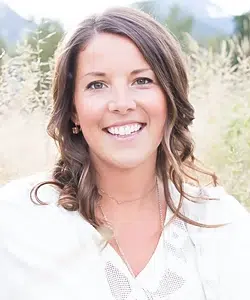
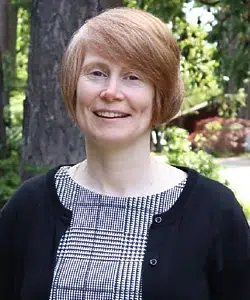

 Saskia Karlen is a third-generation insurance broker specializing in life and health insurance, financial planning, and employee benefits. With a BA from the University of British Columbia, Saskia transitioned from a successful career in marketing to the insurance and financial services industry. She provides personalized insurance solutions and financial planning strategies to individuals and businesses, helping them achieve long-term financial security.